South Africa’s illicit cigarette trade pushes Batsa to end local production

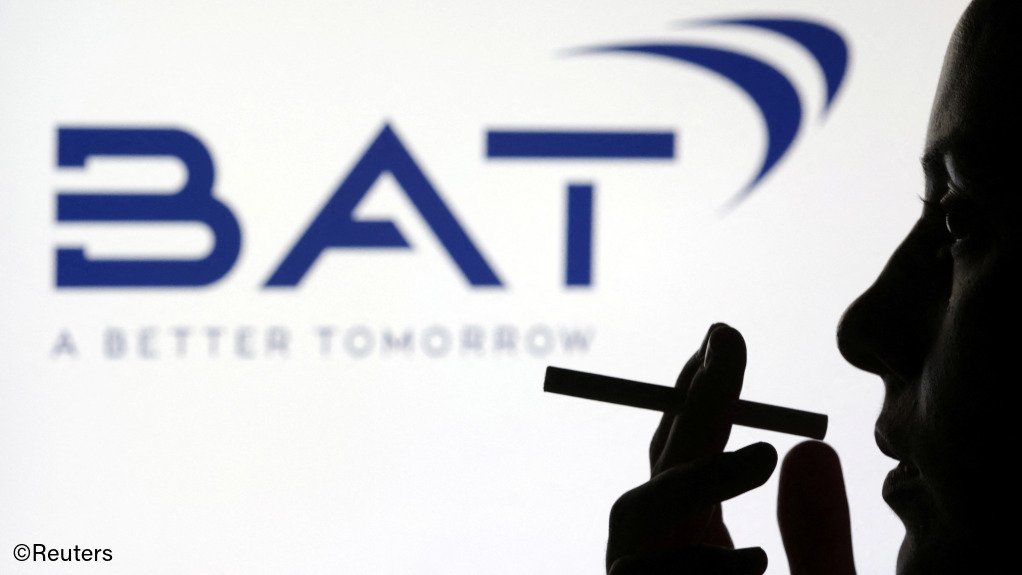



Tobacco company British American Tobacco South Africa (Batsa) has announced that it will cease local production of factory manufactured cigarettes and close its sole South African manufacturing facility by the end of this year, which is a result of the impact of the illicit cigarette trade on the local market.
However, the company emphasised, in a January 15 media release, that it remains committed to the South African market and will transition from a local manufacturing model to an import-based supply chain to continue serving adult consumers in the market.
“With about 75% of the South African cigarette market now estimated to be illicit, continued local manufacturing has become unviable,” says BAT sub-Saharan Africa corporate and regulatory affairs head Johnny Moloto.
Located in Heidelberg, Gauteng, Batsa’s production facility currently operates at just 35% of total capacity owing to severe volume losses, directly attributable to the exponential growth of the illicit tobacco trade in South Africa.
“This is an incredibly difficult day for Batsa and for the about 230 employees and families who may be affected. These are skilled, dedicated people who have given years of service, who unfortunately are affected by an illicit market that operates outside of the regulatory net.”
Batsa says it has engaged with government and law enforcement authorities over the past decade, consistently raising concerns about the growth of illicit trade and advocating for effective enforcement.
The company points to several policy decisions that have worsened the situation, noting the 2020 Tobacco Sales Ban, from which it says the legitimate market has never recovered, and above-inflation excise increases that have widened the price gap between legal and illegal products.
Adding to this is proposed new tobacco legislation currently before Parliament, which, if passed, will exacerbate South Africa’s illicit trade issues, says Batsa.
In a presentation to the Portfolio Committee on Health last year, Batsa noted that the South African Revenue Service stated that the proposed legislation would worsen the illicit tobacco trade.
“Batsa has raised these concerns for years, providing data and proposing solutions.
“While some in government have genuinely tried to help, the overall response hasn’t been enough to protect legitimate businesses and the jobs they create. With the illicit industry’s current size and scale, only a coordinated, whole-of-government response can make a real impact,” says Moloto.
“We have tried everything to ensure we don’t have to close this facility, which has been a part of the Heidelberg community since 1975, including implementing various efficiency initiatives over the years.
“But when three-quarters of your market is illicit, there’s a limit to what any [one] company can do. We’ve reached that limit,” he adds.
The company says the closure will affect more than just factory employees, noting that the broader Lesedi community, including suppliers, logistics providers and contractors, all depend on the facility.
Should there be a substantial and sustained trend change in the local illicit trade environment, BAT will re-invest in local production in South Africa, confirms Moloto.
The company says it believes the decision highlights a broader challenge facing many other industries and all legitimate manufacturers in South Africa.
“Illicit trade doesn’t just hurt companies – it destroys jobs and communities. And all indicators are that illicit is becoming a significant issue in multiple industries, including alcohol, pharmaceuticals and cosmetics, food, clothing and even toys,” Moloto says.
“If this can happen to a facility that’s been operating for 50 years, it can happen to anyone. We hope this is a reminder that enforcement isn’t just about collecting taxes – it’s about protecting the people who work in legitimate businesses.”
Batsa notes that it has begun its formal consultation process with affected employees and union representatives in accordance with Section 189A of the Labour Relations Act.
The company expects to conclude this process by the end of March, with the full closure of the manufacturing facility planned for the end of this year.
Article Enquiry
Email Article
Save Article
Feedback
To advertise email advertising@creamermedia.co.za or click here


Projects

Latest Multimedia

Latest News

Showroom
John Thompson, the leader in energy and environmental solutions through value engineering and innovation, provides the following: design, engineer,...
VISIT SHOWROOM
Complete range of security sealing solutions including security seals bags and labels.
VISIT SHOWROOM


Press Office
Announcements
What's On
Subscribe to improve your user experience...
Option 1 (equivalent of R125 a month):
Receive a weekly copy of Creamer Media's Engineering News & Mining Weekly magazine
(print copy for those in South Africa and e-magazine for those outside of South Africa)
Receive daily email newsletters
Access to full search results
Access archive of magazine back copies
Access to Projects in Progress
Access to ONE Research Report of your choice in PDF format
Option 2 (equivalent of R375 a month):
All benefits from Option 1
PLUS
Access to Creamer Media's Research Channel Africa for ALL Research Reports, in PDF format, on various industrial and mining sectors
including Electricity; Water; Energy Transition; Hydrogen; Roads, Rail and Ports; Coal; Gold; Platinum; Battery Metals; etc.
Already a subscriber?
Forgotten your password?
Receive weekly copy of Creamer Media's Engineering News & Mining Weekly magazine (print copy for those in South Africa and e-magazine for those outside of South Africa)
➕
Recieve daily email newsletters
➕
Access to full search results
➕
Access archive of magazine back copies
➕
Access to Projects in Progress
➕
Access to ONE Research Report of your choice in PDF format
RESEARCH CHANNEL AFRICA
R4500 (equivalent of R375 a month)
SUBSCRIBEAll benefits from Option 1
➕
Access to Creamer Media's Research Channel Africa for ALL Research Reports on various industrial and mining sectors, in PDF format, including on:
Electricity
➕
Water
➕
Energy Transition
➕
Hydrogen
➕
Roads, Rail and Ports
➕
Coal
➕
Gold
➕
Platinum
➕
Battery Metals
➕
etc.
Receive all benefits from Option 1 or Option 2 delivered to numerous people at your company
➕
Multiple User names and Passwords for simultaneous log-ins
➕
Intranet integration access to all in your organisation